Health Blog
Tips for Maintaining Healthy Feet and Preventing Cracks
Our feet are one of the most important and hardworking parts of our body, often overlooked in our daily self-care routines. With constant pressure and exposure to the elements, it’s no wonder that cracked heels and dry feet are common issues. Cracked feet not only affect your appearance but can lead to painful conditions, infections, and further complications if left untreated. This article offers practical tips for maintaining healthy feet, preventing cracks, and promoting overall foot health. Whether you're searching for the Best Dermatologist in India, looking for a dermatologist near me, or considering online doctor consultation India, we’ll help guide you to better foot care.
Keep Feet Clean and Dry
Keeping your feet clean and dry is the foundation of healthy feet. Wash them daily using mild soap and lukewarm water, as hot water can strip away natural oils. After washing, ensure that you dry your feet completely, especially between the toes. Trapped moisture in these areas can create an environment conducive to fungal infections, such as athlete's foot.
- Tip: Use an antibacterial foot wash to prevent infections.
- Tip: Pat your feet dry with a towel instead of rubbing them to avoid irritation.
Moisturize Regularly
Dry skin is one of the primary causes of cracked feet. A good foot moisturizer helps keep the skin hydrated and prevents cracks. Choose a thick, emollient cream or oil specifically formulated for feet. Ingredients like urea, lactic acid, and shea butter are excellent for hydrating dry skin.
- Tip: Apply moisturizer after washing your feet, while they are still slightly damp, to lock in moisture.
- Tip: For extremely dry feet, apply a heavy moisturizer at night and wear socks to help the product absorb overnight.
Exfoliate Feet Weekly
Exfoliation helps to remove dead skin cells and prevents the build-up of dry, rough skin that leads to cracks. Use a pumice stone or foot scrub to gently exfoliate the feet. This should be done once or twice a week, depending on the condition of your feet.
- Tip: Do not over-exfoliate, as it can lead to irritation.
- Tip: After exfoliating, apply a rich moisturizer to hydrate the skin.
Wear Proper Footwear
Wearing the right shoes is essential for preventing foot cracks and other issues. Avoid shoes that are too tight or too loose, as they can cause friction and pressure on your feet. Choose shoes designed with adequate arch support and comfortable cushioning.
- Tip: Opt for shoes crafted from natural materials to ensure proper airflow and breathability.
- Tip: Avoid wearing flip-flops or open-toe shoes for prolonged periods, as they don’t provide proper support.
Protect Your Feet from Harsh Environments
Exposure to extreme weather conditions, such as hot or cold temperatures, can contribute to foot cracks. Protect your feet by wearing appropriate footwear and using foot creams that act as a barrier against harsh conditions.
- Tip: Wear socks made of cotton or moisture-wicking materials in colder weather to keep your feet dry and warm.
- Tip: In hot weather, wear breathable shoes to prevent sweat build-up, which can cause blisters and cracks.
Hydrate Your Body
Your skin's health is closely related to your overall hydration levels. Drinking sufficient water throughout the day helps keep your skin, including your feet, moisturized and healthy. Dehydration can lead to dry, cracked skin, making it important to drink at least 8 glasses of water daily.
- Tip: Add hydrating foods such as cucumbers, watermelon, and oranges to your diet.
Treat Cracked Heels Early
If you notice your feet starting to crack, don’t wait for it to get worse. Apply a foot cream designed for cracked heels or use a healing balm. You may need to see a Best Skin Doctor Near Me if the cracks don’t improve with home treatment, as deep cracks can lead to infections.
- Tip: If your cracks are bleeding or severely painful, consult a Best Skin Specialist Doctor in Jaipur to get expert advice.
Use Foot Masks for Extra Care
Foot masks are an excellent option for nourishing and hydrating your feet. They are infused with beneficial ingredients like aloe vera, hyaluronic acid, and oils that deeply hydrate the skin. Regular use of a foot mask can help rejuvenate the feet and prevent cracks.
- Tip: Choose a foot mask based on your skin’s needs (hydrating, anti-aging, etc.).
- Tip: Apply foot masks before bed for maximum hydration, and use socks to lock in moisture.
Manage Health Conditions
Certain medical conditions, such as diabetes, eczema, and psoriasis, can affect the health of your feet. If you suffer from any of these conditions, it’s essential to manage them under the guidance of a healthcare professional to prevent foot complications. Diabetes, for instance, can cause nerve damage that affects foot health, leading to dryness and cracks.
- Tip: Regularly check your feet for any cuts, cracks, or wounds if you have diabetes.
- Tip: Consult a Top Skin Specialist in Jaipur for expert treatment tailored to your specific skin needs.
Seek Professional Help When Necessary
If your feet have persistent cracks or other issues that home remedies can't address, don’t hesitate to seek professional help. A visit to a Dermatologist Near Me that can help you find the right treatment options for cracked heels or other foot problems. Dermatologists can provide specialized treatments such as medicated creams, ointments, or even surgical procedures in more severe cases.
- Tip: Use a doctor consultation app for easy access to dermatologists and receive timely guidance.
Conclusion:
Maintaining healthy feet and preventing cracks requires consistent care and attention. By following simple yet effective practices, such as keeping feet clean and moisturized, wearing appropriate footwear, and seeking professional treatment, when necessary, you can ensure your feet remain in optimal condition. If you are looking for personalized foot care advice, don’t hesitate to consult the Online Doctor Consultation India for quick access to a dermatologist. Healthy feet contribute to your overall well-being, and with the right approach, you can prevent cracks and other foot issues from affecting your daily life.
Taking care of your feet is a small but essential part of your overall self-care routine. Whether you're seeking a dermatologist or using an online doctor consultation app, remember that healthy feet lead to a healthier, more comfortable lifestyle.
A Comprehensive Guide to Social Media Addiction in Teens?
Social media has become an integral part of daily life, especially for teens. Platforms like Instagram, TikTok, and Snapchat offer endless entertainment, social interaction, and a sense of belonging. However, the increasing reliance on these platforms has given rise to a significant issue: social media addiction. This addiction can have serious consequences on the mental and physical well-being of teens. As parents, educators, and health professionals, it's crucial to understand this problem and provide the necessary support to help teens navigate these challenges.
In this article, we will explore the phenomenon of social media addiction in teens, its signs and symptoms, the underlying causes, and effective strategies to address and overcome it. With insights from the Best Health App for students in India and consultations with some of the Best Psychologists in India, we'll provide a comprehensive guide to help you understand and combat social media addiction in teens.
Understanding Social Media Addiction in Teens
Social media addiction is a behavioral disorder characterized by an excessive and irrational use of social media platforms. For teens, the constant need to stay connected, gain approval, and avoid missing out can lead to an unhealthy dependence on these platforms. The Best Psychologist in India explains that this addiction is often driven by the dopamine rush that comes from receiving likes, comments, and shares. This continuous cycle of seeking validation can lead to a loss of self-esteem and increased anxiety, especially if the expected social recognition is not achieved.
Signs and Symptoms of Social Media Addiction
Recognizing social media addiction in teens can be challenging, but there are several signs and symptoms to look out for:
- Excessive Screen Time: Spending an inordinate amount of time on social media, often at the expense of other activities like studying, sports, or spending time with family.
- Sleep Disruption: Staying up late to scroll through social media feeds, leading to disrupted sleep patterns and fatigue.
- Neglect of Responsibilities: Ignoring academic responsibilities, household chores, or personal hygiene in favor of social media.
- Mood Swings: Experiencing irritability, anxiety, or depression when unable to access social media.
- Isolation: Withdrawing from real-life social interactions to spend more time online.
If you notice these signs in a teen, it may be time to seek professional help. You can find the Best Doctor Near Me for a thorough assessment, or consider an Online Doctor Consultation Plan to discuss these concerns from the comfort of your home.
Causes of Social Media Addiction in Teens
The root causes of social media addiction are complicated and can vary from one teen to another. Some of the primary factors include:
- Peer Pressure: Teens often feel the need to conform to their peers' online behavior, leading to excessive use of social media.
- FOMO (Fear of Missing Out): The fear of missing out on trends, events, or social interactions can drive teens to stay constantly connected online.
- Validation and Self-Worth: Many teens seek validation through likes, comments, and followers, equating their self-worth with their online popularity.
- Escapism: Social media can offer an escape from real-life problems, providing a temporary distraction from stress or emotional distress.
Understanding these causes can help in developing effective strategies to address and reduce social media addiction.
Impact of Social Media Addiction on Teens
The impact of social media addiction on teens can be profound, affecting both their mental and physical health. A Female Psychologist in Jaipur explains that prolonged exposure to social media can lead to:
- Mental Health Issues: Anxiety, depression, and low self-esteem are common among teens addicted to social media. The constant comparison with others can exacerbate feelings of inadequacy and loneliness.
- Cognitive Impairments: Excessive use of social media can impair cognitive functions such as attention span, memory, and critical thinking skills.
- Physical Health Problems: Poor posture, eye strain, and sleep deprivation are some of the physical health issues associated with prolonged screen time.
- Academic Decline: Social media addiction can lead to poor academic performance as teens prioritize online interactions over their studies.
Effective Strategies to Combat Social Media Addiction
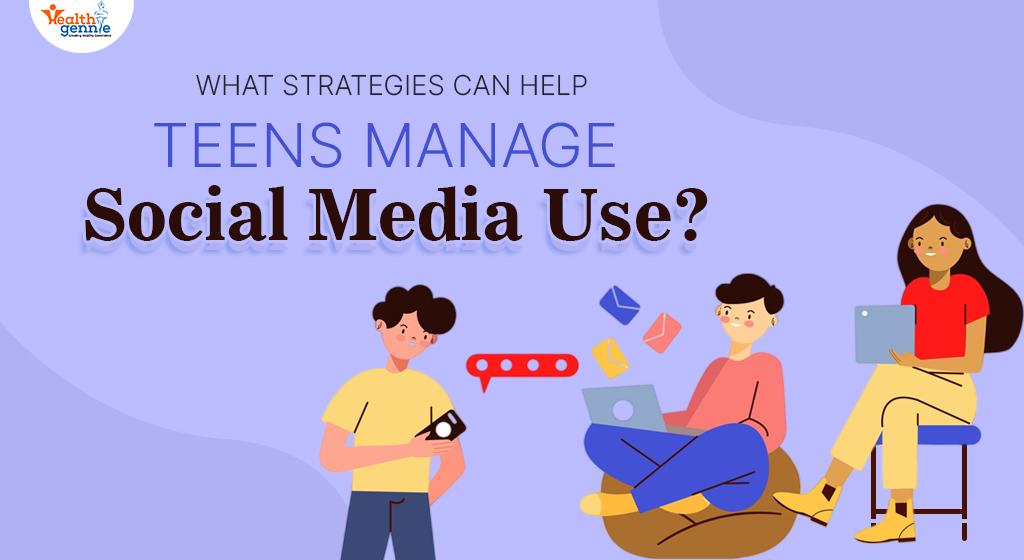
Addressing social media addiction requires a multi-faceted approach, involving both preventive and remedial strategies. Here are some effective ways to help teens manage their social media use:
- Setting Boundaries: Establishing clear rules around screen time can help limit the amount of time teens spend on social media. This includes setting specific times for social media use and ensuring that it does not interfere with other important activities.
- Promoting Real-Life Interactions: Encouraging teens to engage in offline activities such as sports, hobbies, or spending time with family and friends can help reduce their reliance on social media.
- Seeking Professional Help: If social media addiction is severely impacting a teen's life, seeking professional help from a Psychologist Near Me for Anxiety and Depression may be necessary. The Best General Physician in Jaipur can also provide guidance on managing physical health issues related to excessive screen time.
- Using Technology Mindfully: Teaching teens to use technology mindfully, such as being aware of the time spent on social media and understanding its impact on their mental health, can help them develop healthier online habits.
- Leveraging Health Apps: Utilizing the Best Health App for students in India can provide resources for managing social media addiction, including online consultations, wellness tips, and mental health support.
Role of Parents and Educators
Parents and educators play a crucial role in helping teens manage their social media use. By fostering open communication, providing guidance, and setting a positive example, they can help teens develop a balanced approach to social media. Additionally, tools like Book Diagnostic Tests From Home at Best Price can help monitor and address any physical health concerns related to excessive screen time.
Conclusion
Social media addiction is a growing concern among teens, with significant implications for their mental and physical well-being. By understanding the signs, causes, and impact of this addiction, and by implementing effective strategies to address it, we can help teens regain control over their lives. Whether through setting boundaries, promoting offline interactions, or seeking professional help, it is essential to take proactive steps in combating social media addiction.
Leveraging resources like the Best Health App for students in India and consulting with the Best Psychologist in India can provide valuable support in this endeavor. By working together, we can ensure that teens lead healthier, more balanced lives, free from the grips of social media addiction.
Understanding Molluscum Contagiosum Treatment: What to Expect
Molluscum contagiosum is a common viral skin infection that affects people of all ages. While it's generally harmless, the appearance of small, raised bumps on the skin can be distressing. Fortunately, various treatment options are available to manage the condition effectively. In this article, we'll delve into the details of molluscum contagiosum treatment, including duration, methods, and considerations. Additionally, we'll explore how modern healthcare services, such as booking doctor consultations online, availing general healthcare plans, and accessing diagnostic tests from home, contribute to convenient and efficient management of this condition.
Understanding Molluscum Contagiosum:
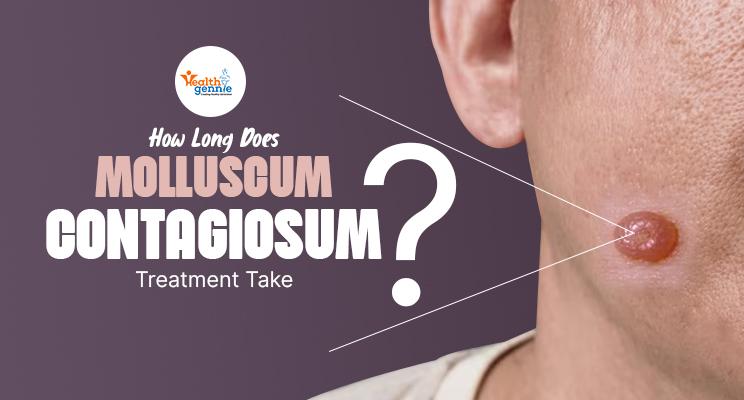
Molluscum contagiosum is caused by a poxvirus and is highly contagious. It spreads through direct skin-to-skin contact or by touching contaminated objects. The characteristic symptom is the appearance of small, flesh-colored or pearly bumps on the skin, often with a dimple in the center. These bumps can occur anywhere on the body but are most common in children and those with weakened immune systems.
Treatment Options:
Treatment for molluscum contagiosum aims to remove the bumps, prevent spreading, and minimize discomfort. Several treatment options are available, including:
Observation: In many cases, molluscum contagiosum resolves on its own without treatment. However, this process can take several months to years, during which the virus may spread to other areas of the body or to other individuals.
Topical Treatments: Over-the-counter or prescription creams, such as imiquimod or tretinoin, may be applied directly to the affected areas to stimulate the immune system and help the body clear the infection.
Cryotherapy: Cryotherapy involves freezing the bumps with liquid nitrogen, causing them to blister and fall off. This procedure is typically performed in a healthcare provider's office and may require multiple sessions for complete clearance.
Curettage: In this procedure, a healthcare provider best dermatologist in India uses a small, sharp instrument called a curette to scrape off the bumps. Local anesthesia may be administered to minimize discomfort.
Duration of Treatment:
The duration of molluscum contagiosum treatment varies depending on the chosen method and individual factors such as the number of bumps and the patient's immune response. In general, treatment can take anywhere from a few weeks to several months to complete. Topical treatments may need to be applied daily for several weeks, while cryotherapy or curettage typically require only one or a few sessions.
Utilizing Modern Healthcare Services:
In today's digital age, accessing healthcare services has become more convenient than ever. Patients can book doctor consultations online, allowing them to receive expert medical advice without the need to visit a clinic physically. This is especially beneficial for individuals with molluscum contagiosum, as it eliminates the risk of spreading the virus to others in waiting rooms.
Moreover, enrolling in a general healthcare plan provides comprehensive coverage for various medical needs, including the diagnosis and treatment of skin conditions like molluscum contagiosum. These plans often offer access to a network of healthcare providers and facilities, ensuring timely and affordable care.
Additionally, advancements in telemedicine have made it possible to book diagnostic tests from home at the best price. Patients can book online, a blood sample collector come to your home they collect samples themselves, and send them to a laboratory for analysis. This minimizes exposure to contagious viruses like molluscum contagiosum while still allowing for accurate diagnosis and monitoring of the condition.
Popular Health Checkup Packages:
Many healthcare providers offer specialized popular health checkup packages that include screenings for common skin conditions like molluscum contagiosum. These packages often include diagnostic tests, and personalized treatment plans tailored to the patient's needs. By availing these packages, individuals can ensure early detection and prompt management of molluscum contagiosum, reducing the risk of complications and improving overall health outcomes.
Tips for Managing Molluscum Contagiosum:
In addition to undergoing treatment, there are steps individuals can take to manage molluscum contagiosum and reduce the risk of spreading the infection:
- Avoid scratching or picking at the bumps to prevent further irritation and potential spread of the virus.
- Practice good hygiene, including regular handwashing, to reduce the likelihood of spreading the infection to others or other parts of the body.
- Keep affected areas clean and dry to promote healing and prevent secondary infections.
- Avoid sharing personal items such as towels, clothing, or razors with others to minimize the risk of transmission.
Conclusion:
Molluscum contagiosum treatment requires patience and persistence, but with the right approach, the condition can be effectively managed. Whether through topical treatments, cryotherapy, or other interventions, patients have options for addressing the symptoms and preventing the spread of the virus. Moreover, modern healthcare services such as booking doctor consultations online, accessing general healthcare plans, and ordering diagnostic tests from home make the management of molluscum contagiosum more convenient and accessible than ever before. By leveraging these resources and staying proactive about their health, individuals can minimize the impact of molluscum contagiosum and maintain healthy, clear skin.
Are You Experiencing Dark Circles Under Your Eyes?
Dark circles under the eyes can be caused by a variety of factors, including genetics, age, sleep deprivation, allergies, dehydration, and lifestyle habits. Here are some symptoms, causes, tips and treatments to help reduce their appearance:
Dark circles symptoms can vary depending on the underlying causes. Here are some common symptoms associated with dark circles:
Symptoms:
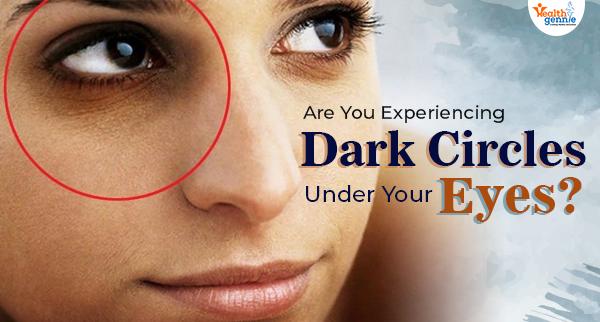
Dark Pigmentation: The primary symptom is the appearance of dark or discoloured skin under the eyes. This discoloration may range from a mild grayish hue to a deeper shade of brown or purple.
Puffiness: In some cases, dark circles may be accompanied by swelling or puffiness under the eyes, which can exacerbate the appearance of darkness.
Fatigue and Tiredness: Dark circles are often associated with fatigue, lack of sleep, or exhaustion. Individuals experiencing this symptom may also feel tired or lethargic.
Fine Lines and Wrinkles: Over time, dark circles may become more pronounced due to the thinning of the skin and the development of fine lines and wrinkles around the eyes.
Itchiness or Irritation: In certain cases, dark circles may be accompanied by itchiness, redness, or irritation of the skin under the eyes. This could be indicative of underlying allergies or skin conditions.
Underlying Health Issues: In some instances, dark circles may be a symptom of an underlying health condition such as allergies, anemia, dehydration, or thyroid problems. If dark circles are persistent or accompanied by other concerning symptoms, it's important to consult a healthcare professional for proper diagnosis and treatment.
It's essential to identify the underlying cause of dark circles in order to determine the most appropriate treatment approach. Lifestyle changes, skincare remedies, and medical interventions may all play a role in managing dark circles effectively.
Causes:
Dark circles under the eyes can result from various causes or factors, including:
Genetics: Some people are genetically predisposed to having darker pigmentation under their eyes.
Age: As you age, the skin around your eyes becomes thinner, making blood vessels more visible and leading to dark circles.
Fatigue and lack of sleep: Not getting enough sleep or poor sleep quality can cause the skin to become paler, making dark circles more noticeable. Fatigue can also lead to fluid buildup under the eyes, making them appear puffy and shadowed.
Allergies: Allergic reactions can cause inflammation and swelling around the eyes, resulting in dark circles.
Dehydration: Inadequate hydration can make the skin under the eyes appear dull and sunken, accentuating dark circles.
Sun exposure: Excessive exposure to the sun's harmful UV rays can accelerate the aging process and lead to hyperpigmentation under the eyes.
Stress: Chronic stress can affect your overall health and contribute to various skin issues, including dark circles under the eyes.
Poor nutrition: A diet lacking in essential nutrients, particularly vitamins C, K, and E, can contribute to the formation of dark circles.
Medical conditions: Certain medical conditions such as eczema, asthma, anemia, and thyroid disorders can cause dark circles under the eyes.
Smoking and alcohol consumption: These habits can lead to dehydration and damage to the skin, exacerbating the appearance of dark circles.
Addressing the underlying cause is crucial for effectively treating dark circles. This may involve lifestyle changes, skincare routines, medical treatments, or a combination of these approaches. Consulting with the best dermatologists in Jaipur or healthcare provider can help determine the best course of action based on individual circumstances.
Treatment:
Dark circles under the eyes can be caused by various factors such as genetics, aging, lack of sleep, dehydration, allergies, and stress. Here are some treatments and remedies that may help reduce the appearance of dark circles:
Get enough sleep: Aim for 7-9 hours of quality sleep each night to prevent dark circles caused by fatigue.
Stay hydrated: Drink plenty of water throughout the day to keep your body hydrated, which can help prevent puffiness and dark circles.
Use cold compresses: Applying cold compresses, such as chilled cucumber slices, cold spoons, or cold tea bags, can help constrict blood vessels and reduce the appearance of dark circles.
Topical treatments: Look for eye creams or serums containing ingredients like vitamin C, vitamin K, retinol, hyaluronic acid, caffeine, or peptides, which can help improve skin texture and reduce dark circles.
Protect your skin: Use sunscreen and wear sunglasses to protect the delicate skin around your eyes from sun damage, which can worsen dark circles.
Healthy lifestyle habits: Maintain a balanced diet rich in fruits, vegetables, and antioxidants. Avoid excessive alcohol consumption and smoking, as they can contribute to dark circles.
Manage allergies: If allergies are causing your dark circles, try to identify and avoid allergens, and consider using antihistamines or allergy medications as directed by your healthcare provider.
Cosmetic treatments: In some cases, cosmetic treatments like chemical peels, laser therapy, microneedling, or dermal fillers may be recommended by a dermatologist or cosmetic surgeon to reduce the appearance of dark circles.
Camouflage makeup: Use makeup techniques to conceal dark circles temporarily. Choose a concealer that matches your skin tone and apply it lightly under your eyes, blending well for a natural look.
Consult a healthcare professional: If your dark circles persist despite trying home remedies and lifestyle changes, or if they are accompanied by other symptoms, consult a Skin Specialist in Jaipur for further evaluation and personalized treatment recommendations.
Conclusion:
Absolutely, if you have any health concerns or need medical advice, consulting a healthcare professional is the best course of action or download Doctor Appointment Booking App that’s provide you 24/7 hrs online consultation with the best healthcare specialist. They can provide personalized supervision and commendations based on your specific situation and needs. If it's an emergency, don't hesitate to seek immediate medical attention.
What are the Causes, Symptoms, and Tips for Managing Anemia?
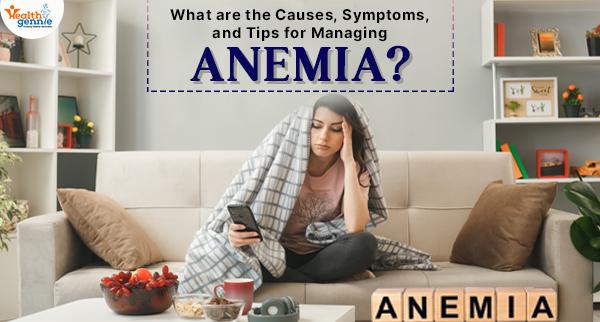
Anemia is a medical condition that categorize by a deficiency of red blood cells or hemoglobin in the blood. Hemoglobin is a protein in red platelets that conveys oxygen to the body's tissues. Anemia can result from various underlying causes and may present with a range of symptoms. Here are details on the causes, symptoms, and tips to manage anemia:
Causes of Anemia:
Iron Deficiency Anemia:
- Inadequate intake of iron-rich foods.
- Poor absorption of iron in the digestive tract.
- Constant blood misfortune because of monthly cycle or gastrointestinal dying.
Vitamin Deficiency Anemias:
- Vitamin B12 Deficiency: Insufficient dietary intake, pernicious anemia, or malabsorption issues.
- Folate Deficiency: Inadequate dietary intake, malabsorption, or increased demand (pregnancy).
Chronic Diseases:
- Chronic kidney disease.
- Fiery issues like rheumatoid joint pain or provocative gut infection.
Hemolytic Anemias:
- Obliteration of red blood cells at a rate faster than the body can replace them.
- Genetic conditions, autoimmune disorders, or certain medications.
Aplastic Anemia:
- Disappointment of the bone marrow to deliver sufficient platelets.
- May be idiopathic or caused by exposure to toxins, radiation, or certain medications.
Genetic or Inherited Anemias:
- Conditions like sickle cell anemia and thalassemia.
Symptoms of Anemia:
Fatigue and Weakness:
- Due to a lack of oxygen reaching body tissues.
Pale Skin:
- A noticeable paleness of the skin.
Shortness of Breath:
- Especially during physical activity.
Dizziness or Lightheadedness:
- Subsequent from inadequate oxygen supply to the brain.
Cold Hands and Feet:
- Poor circulation.
Headache:
- Caused by reduced oxygen flow to the brain.
Chest Pain:
- In severe cases or in individuals with heart conditions.
Tips to Manage Anemia:
Dietary Changes:
- Increase intake of iron-rich foods (e.g., red meat, poultry, fish, beans, lentils, spinach).
- Comprise vitamin C-rich foods to enhance iron assimilation.
Supplements:
- Iron, vitamin B12, or folate supplements under medical supervision.
Treat Underlying Causes:
- Address any gastrointestinal bleeding, chronic diseases, or other underlying conditions.
Blood Transfusions:
- In severe cases, especially in acute blood loss or when the body's ability to produce red blood cells is compromised.
Lifestyle Adjustments:
- Manage stress, get adequate sleep, and engage in regular, moderate exercise.
Medical Monitoring:
- Regular check-ups and monitoring of blood levels to adjust treatment as needed.
Avoidance of Triggers:
- If anemia is related to specific medications or environmental factors, consult a healthcare professional for guidance.
It's crucial to note that the management of anemia should be tailored to the specific type and underlying cause, so consulting with a healthcare professional is essential for an accurate diagnosis and appropriate treatment plan. Health Gennie offers best health checkup packages in India at an affordable price.
For Any Enquiry Call US: +91-8929920932
Consult Now: Gastroenterologist in Jaipur
Download: Doctor Consultation App
How to Cope with Mental Illness in Teens?
Managing mental illness in teenagers requires a comprehensive and supportive approach that involves the collaboration of parents, educators, best mental health therapist, and the teens themselves. Here are some strategies to help manage mental illness in teens:
Open Communication:
- Encourage open and honest communication. Create a safe space for teens to express their thoughts and feelings without judgment.
- Dynamically listen to their anxieties and confirm their emotions. Avoid dismissing their feelings, even if they seem trivial.
Seek Professional Help:
- Consult with mental health professionals, such as psychologists, psychiatrists, or therapists, who specialize in working with adolescents.
- Consider a combination of therapy (individual, family, or group) and, if necessary, medication under the guidance of a qualified healthcare provider.
Educate Yourself:
- Learn about the specific mental health condition affecting your teen. Understanding the symptoms, triggers, and treatment options can help you provide better support.
- Attend workshops or support groups to connect with other parents facing similar challenges.
Encourage Healthy Lifestyle Choices:
- Encourage regular exercise, a balanced diet, and appropriate sleep. Physical well-being is carefully connected to mental health.
- Discourage substance use, as drugs and alcohol can exacerbate mental health issues.
Establish Routine:
- Create a consistent daily routine, including regular meal times, adequate sleep, and designated study or relaxation periods. Predictability can provide a sense of stability.
Set Realistic Expectations:
- Encourage academic and personal goals but ensure they are realistic and attainable. Celebrate small achievements and progress, rather than focusing solely on end results.
Foster a Supportive Environment:
- Cultivate a supportive and nurturing home environment. Positive family relationships can significantly impact a teen's mental health.
- Encourage healthy friendships and social connections. Isolation can worsen mental health issues.
Monitor Screen Time:
- Be mindful of the amount of time your teen spends on screens, including social media. Excessive screen time can contribute to feelings of isolation and negatively impact mental health.
Teach Coping Skills:
- Help your teen develop healthy coping mechanisms for stress, such as mindfulness, deep breathing, or creative activities.
- Encourage them to express themselves through writing, art, or other forms of self-expression.
Advocate for Your Teen:
- Work with schools to ensure that appropriate accommodations and support are in place.
- Be an advocate for mental health awareness and reduce stigma by fostering open conversations in your community.
Conclusion:
Remember, it's crucial to involve mental health professionals in the management of mental illness. If you notice signs of severe distress or potential harm, seek immediate professional help with the best psychologist near me for anxiety and depression. Always consult with Teenage Mental Health Counselling Near Me to develop a personalized plan tailored to your teen's specific needs.
For Any Enquiry Call US: +91-8929920932
Consult Now: Female Psychologist in Jaipur
Download: Doctor Consultation App
When To Reach Out to a Clinical Psychologist?
I think in today’s fast-moving world once in a while each person goes through a little bit of stress, right? So here we’ll discuss when to know it’s the right time to take care of your mental, emotional and behavioral health and how to get professional help.
How to Start with The Clinical Psychologist?
Like a glass once broken, if you try to stick it back together with glue it will not be the same and of course, the water will spill through the gaps. Same is with our mental, emotional and behavioral health. How you must be wondering. If in some ways from your childhood or in your adulthood someone or something in some way has affected you emotionally and that directly affects you to cope up with anything that goes around in your life. This directly affects a person’s physiological and social well-being and even a small task can take a lot of effort to be completed. Now if I go back to the reference I gave in my first sentence, if we repair it by sticking the broken parts with gold then not only it will hold the water but will also have a uniqueness to itself and same is for each individual who tries to get their mental, emotional and behavioral health better.
First brave step is to know that you are not doing well and taking help is for your own good. To start with one must find a professional near them. One must start by searching for an emergency psychologist near me. You will have many options to select from, where there will be reviews about each professional. Mental illness therapy is also divided in many criterions to help you focus on bettering that particular issue such as anxiety, depression, eating disorders and many more. Now how to search for any particular problem that you need help with? Here is an example:
- “Psychologist Near Me for Anxiety and Depression”. A list of licensed psychologists will come up once you search for this particular criteria which will make your work more hassle free.
Not only do you get to choose your main concern, you also get options to choose from the most trusted and best therapist /phycologist near you. It is obvious that if you have a trusted psychologist, you can easily take the first step to open up about your traumas and difficulties in life, as all your conversations are 100 percent confidential with them.
How Much the Therapy Cost?
Now, therapies cost varies from city to city. Also some people opt for an online session while some opt for an in-person session. On an average a therapy session can cost upto 800 per session. There are many non-profit organizations that provides many offers like first sessions for free and also providing various discounts.
So if you worry about the financial burden that will come between bettering you mental, emotional and behavioral health than now you need not to worry. Just like the above example i mentioned many organizations are working tirelessly to help people get better and not putting a hole in their pocket. So, after thoroughly reviewing your cordon, cost, location, and timings you can easily Book Doctor Consultation Online as you please. This saves a lot of your time and can easily start with the process of getting that smile back once again.
Conclusion:
Through this little piece of information i shared with you i just want to convey that mental illness is not something anyone should be ashamed rather i feel that in this generation at least we have a space where there is someone who is not only helping a person with mental, emotional and behavioural health issues but also make us understand that it is normal, life happens, and there is nothing wrong will saying it loud and clear that yes i am in therapy and will make myself better, just one day at a time.
For Any Enquiry Call US: +91-8929920932
Consult Now: Best Psychologist in India
Download: Online Doctor Consultation App
Menopause in women. When, How and Why of Menopause
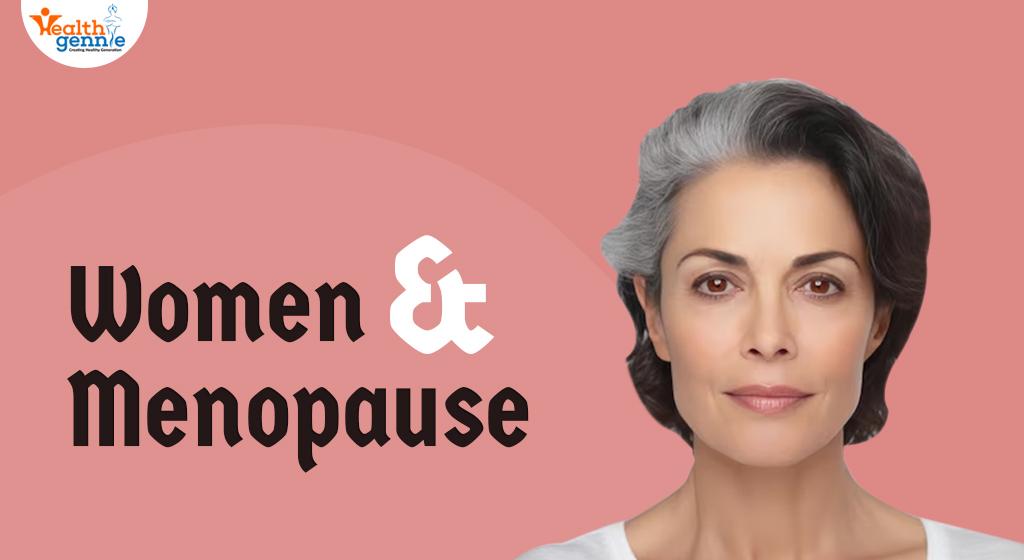
Women are born with a specific number of eggs in their ovaries that produce two hormones, progesterone and oestrogen, which help regulate menstruation and ovulation. By the time we approach menopause, the ovaries have decreased their production of these hormones. When your ovaries stop producing eggs and you stop menstruating, that is called menopause.
The thing that women love about menopause is that there are no more periods! The menstrual cycle becomes irregular as we near menopause—it's reaching the 12-month marker to make it official. Menopause refers to the time period where you have no periods consecutively for 12-months. The change in menstrual cycle is unique for every woman and can consist of many symptoms of menopause. Ranging from hot flashes to vaginal dryness, there are many ways to start the journey. Seek help from Top Gynecologist in Jaipur for your menopause period. Women often don’t take advice from the doctor during the onset of menopause, which should be avoided, and instead should seek consultation with the doctor.
What Are the Three Stages of Menopause?
The permanent ending of the menstrual cycle that doesn’t happen because of any medical condition is called natural menopause. It follows three gradual steps:
1. Perimenopause:
- It can begin 8 to 10 years before the onset of menopause, when the ovaries produce less oestrogen gradually.
- Usually, it starts when you are in your 40s.
- It lasts up until the menopause, when the ovaries stop releasing eggs.
- At this stage, women may experience menopause symptoms.
- The drop in estrogen increases in the last one or two years of perimenopause.
- You are still having menstrual cycles at this stage and can get pregnant.
2. Menopause:
- It is the point where your menstrual cycle stops.
- In menopause, your ovaries have stopped producing oestrogen and releasing eggs.
- Consult with Best Gynaecologist in India to know when you are diagnosed with menopause and how it will affect your health.
3. Postmenopause:
- This refers to the period of time when you haven’t had a period for a year or the rest of your life after menopause.
- Some menopausal symptoms might get better during this stage.
- In cases of low estrogen levels, people may experience certain health risks at this stage, like heart disease or osteoporosis.
What is the Age of Menopause in Women?
However, the transition begins around the mid-40s. The average age of menopause is 51.
Signs and symptoms of Menopause
- Hot flashes (a sudden warm feeling that washes over your body)
- Night sweats
- Vaginal dryness
- Need to pee urgently and frequently
- Difficulty sleeping
- Changes in emotional patterns
- Dry skin, eyes, or mouth
- Tender breasts
- Irregular periods, where periods are higher or lighter than usual
The reason for these symptoms is the hormonal changes in a woman’s body. Also, some women can experience intense symptoms of menopause, while others can have mild symptoms. Contact the Best Gynecologist In Jaipur to ensure the symptoms are related to menopause or another health problem.
Why Does Menopause Occur in Women?
Natural menopause, or menopause on its own, is a normal part of ageing. In the absence of any surgery or medical condition that may stop bleeding, such as hormonal birth control, radiation therapy, or surgical removal of your ovaries, menopause is defined as a year without menstrual bleeding.
As you age, your regenerative cycle starts to dial back and get ready to stop. Since puberty, this cycle has been running continuously. Your ovaries produce less estrogen as menopause gets closer. At the point when this abatement happens, your feminine cycle (period) begins to change. It may begin irregularly before ceasing.
As your body adjusts to changes in hormone levels, you may also experience physical changes. The side effects you face during each phase of menopause (perimenopause, menopause, and postmenopause) are essential for your body's acclimation to these changes.
Conclusion:
On the off chance that any of your postmenopausal side effects annoy you or keep you from carrying on with your day-to-day routine, contact Gynecologist Near Me to talk about conceivable therapy. They are able to confirm that you are in postmenopause and have completed menopause.
Among the possible inquiries are:
- Are these side effects typical for individuals in postmenopause?
- Is there treatment for my side effects?
- Is hormone therapy still a possibility?
- How might I feel quite a bit better?
In order to rule out a serious medical condition, Book Doctor Consultation Online on the Health Gennie app if you experience any vaginal bleeding during postmenopause.
Does Your Eye Health Improves With Tobacco Consumption. Yes or No?
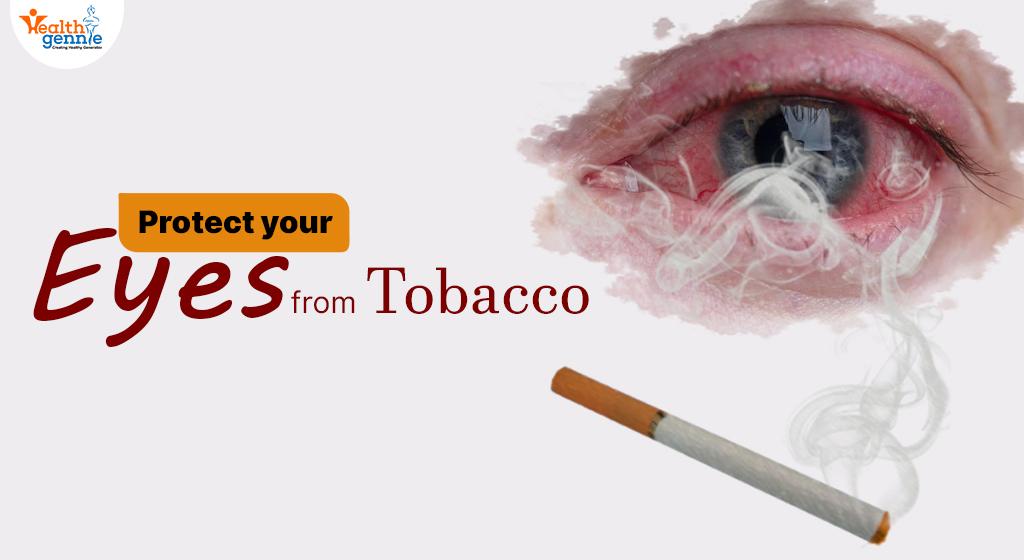
Not only does cigarette consumption cause cancer, but long-term consumption can also lead to loss of eyesight. It is clear from the many studies that have come out on the subject that people who smoke are at an increased risk of developing cataracts as compared to non-smokers. Consuming tobacco for 5 or 10 years affects eyesight, which can lead to loss of eyesight.
Everyone knows that tobacco consumption can cause fatal diseases like cancer, but tobacco also has a negative effect on the eyes; we have to understand this too. Like the lungs and heart, its consumption is also harmful to the eyes.
Its consumption can cause many diseases related to the eye. Even the eyesight can go. It is best to consult with best ophthalmologist in Jaipur to know what smoking can do to your eyesight. It has been revealed in a study that consumption of tobacco has started causing cataracts even at a young age, whereas it is a problem that occurs at an older age.
Keep Your Eyes Healthy with These Habits:
- To keep the eyes healthy, stop using tobacco. Drink about three litres of water daily.
- Take fruits and vegetables rich in vitamins, omega fatty acids, proteins, and antioxidants in the diet.
- Do eye exercises like moving the eyes up and down, moving around. If the screen time has increased, use a good lubricant.
Earlier, cataracts used to affect the elderly, but now the youth are also falling into its grip.
Up to 50 Percent of Cataract Patients Are Coming Out
Cataract is the biggest reason for loss of eyesight, and 40 to 50 percent of these people are its victims. The most important thing for prevention is timely examination and treatment of the eyes. The best ophthalmologist doctors in Jaipur said that most people believe that smoking is harmful to their health as it increases the risk of cancer and other lung diseases. But did you know that smoking addiction can also make you blind? Yes, excessive smoking affects the eyes and many other parts of the body as well. Let us tell you how cigarettes and other tobacco products are affecting your eyes.
Decreased Moisture in the Eyes
Many of the oxidants present in cigarettes damage the eyes. The goblet cells of the conjunctiva can be damaged by chemicals in tobacco smoke that are toxic to the eyes of smokers. Because of which moisture remains on the surface of the eye. Similarly, the carbon particles present in the smoke can get deposited on the eyelids. Due to this, the moisture and wetness of the eyes can end. If it persists for a long time, there is itching in the eyes, and there may be blurring of vision. It can lead to loss of eyesight too.
Higher Risk of Developing Cataracts
People who consume tobacco frequently are at higher risk of developing cataracts than others. Connect with eye specialist in Jaipur for cataract surgery. Several studies have shown that smokers have twice the risk of macular degeneration than non-smokers. The ability to see clearly depends on how well these parts work together. Vision is the ability to use both eyes together to produce an image.
Glaucoma
It gradually breaks down the cells that make up the nerve in the eye to send visual information to your brain, also known as the optic nerve. Usually beginning with the side vision, the cells that die vision are also lost slowly. The reason why people are unaware that they have glaucoma is because it is not noticeable until a large amount of nerve damage has occurred in the eye.
What Can I Do to Prevent Vision Loss?
Building healthy habits can lead to healthy eyesight. The following tips can help lower the risk of vision loss:
- Stop smoking.
- Eat green vegetables, fruits, and foods that contain vitamin C and E.
- Staying active.
- Visit your eye professional on a regular basis.
Benefits of Quitting Tobacco
- After 12 minutes, the level of carbon monoxide in the blood starts becoming normal.
- After 20 minutes, the increased heart rate and blood pressure during smoking start returning to normal.
- From 2 days on, the smell and taste start to feel as the nerves start repairing themselves.
- After 1 month, the lungs start repairing themselves, the cough starts reducing, and breathing also becomes easier.
- After 1 year, the risk of heart disease decreases and fertility increases.
- After 5 years, blood circulation in the arteries improves, and the risk of many types of cancer decreases.
Here Are Some Eye Care Tips:
To make sure you are looking your best, take note of the following tips:
- Consume a nutritious and well-balanced diet.
- Maintain a healthy weight.
- Wear sunglasses.
- Avoid smoking.
- If you wear eye contacts, take preventive measures to avoid eye infections.
- Make sure your eyes get enough rest.
Conclusion:
In conclusion, it is evident that tobacco poses a significant threat to eye health. The harmful chemicals in tobacco smoke can damage various structures of the eye, leading to vision problems and potentially irreversible conditions such as cataracts, macular degeneration, and optic neuropathy. Second-hand smoke also poses a threat, particularly to children and non-smokers. Quitting smoking and preventing exposure to tobacco smoke are crucial steps in preserving your vision and helping you lead a vibrant life. On Health Gennie, you can find the best doctors to consult about your problems from the comfort of your home.
Easy to Use Remedies for Migraine Headache at Home
With the right habits and a healthy diet, you can fight off migraine pain. Migraine headaches lead to pulsing pain or throbbing sensations that occur on one side of the head. Nausea, vomiting, and extreme sensitivity to light and sound are some signs that follow migraine pain.
Generally, migraine attack lasts from a few hours to days, and the pain can be so bad that it can make it hard for you to move around on your own. A warning symptom can occur before or concurrently with the headache for some people. Visual disturbances like blind spots or flashes of light can be a symptom, as can other disturbances like tingling on one side of the face, in an arm or leg, or difficulty speaking.
Taking prescribed medication can help prevent or reduce the pain. Take advice from Neurologist Doctor in Jaipur before taking any supplement or medication. Also adapting self-help techniques, changes in lifestyle and the right medicines might help.
Obviously, typing "headache home cures" into Google turns up a lot of thoughts, and it very well might be difficult to sort out which ones are great... and which ones are essentially not. That's why we put in the time and effort to compile a comprehensive list of home remedies for you.
1. Take Care of Your Diet
Low blood sugar may be the cause of your aching or fuzzy feelings if you haven't eaten in a while. In this instance, if you eat something healthy right away, it might stop bothering you. According to a study that was published in Nutrients in September 2015, magnesium-rich foods like chia and pumpkin seeds, almonds, spinach, and black beans may be especially helpful in relieving headaches.
In general, rather than eating three large meals at breakfast, lunch, and dinner, headache patients should eat smaller meals throughout the day. Discuss with Best Neurologists in Jaipur your diet plan for migraine problems. You won't have those kinds of crashes if your blood sugar stays the same this way."
2. Have an Adequate Liquid Intake
The first sign of a headache is dehydration. Consuming the right amount of liquids in the form of:
- caffeine,
- chamomile tea,
- peppermint tea,
- or juices other than water can help relieve migraine pain.
Caffeine has a mild pain-killing effect; drinking a cup of coffee at the first sign of a headache is an old trick and can be very helpful in the early stages.
If you want to drink enough fluids, try to drink them throughout the day rather than just at mealtimes or when you do a lot of physical activity. Ask what Neurologist in Jaipur suggests about caffeine intake during migraines. That's a good start, but your age, weight, and daily activity should also be taken into consideration when determining how much water you drink.
3. Remedies to Relax Your Body During Migraine
- Exercise: Despite the fact that strenuous exercise can be a trigger for some people, research indicates that exercise can assist in preventing attacks. Strangely, practising itself doesn't really treat headaches straightforwardly; all things considered, it can assist you with lessening pressure (a headache trigger). And any doctor will tell you that exercise makes you feel healthier.
- Yoga- In a similar vein, by enhancing your circulation and lowering your stress levels, yoga may also be able to assist in the prevention of migraine headaches. Find out everything you need to know about the advantages here.
- Set Regular Sleeping Times- Even on weekends, you should wake up and go to bed at the same time every day. Have short period of naps during the day ranging from 20-30 mins. Longer than 30 mins of nap will disrupt your sleep at night.
- Acupuncture- A practise of traditional Chinese medicine in which tiny needles are inserted at specific points on the body, may also assist in the prevention of migraine attacks. Acupressure is another option that is similar. It is risk-free to try it during a migraine attack to see if it helps, even though less research supports its efficacy.
- Using Cold and Hot Compress- A piece of advice that migraine sufferers frequently share with one another is to use various degrees of heat and cold on their bodies. Putting your feet in hot water or a heating pad and wrapping an ice pack around your neck and temples is a common treatment. Some people swear by heating pads for their necks, warm clothes for their faces, and even standing in hot water in the shower because they say the opposite can be helpful.
4. Avoid Environmental Stimulators
- Shield yourself from sun- Commonly, bright sunlight causes headaches. Sunglasses and brimmed hats can shield you from glare and bright light.
- Avoid strong smells- Avoiding strong odours when you start to feel like you might be having a migraine might help. Osmophobia is the scientific term for this sensitivity. Once a migraine attack has begun, strong odours like perfume, strong foods, gasoline, and other chemical smells can make it worse.
5. Find a Dark Room- You probably already do one of the simplest things you can do to treat your own migraines without needing to be told. Going to a dark, quiet room to rest can be helpful because sensitivity to bright lights and sounds is a common migraine symptom. Conveniently, you can also use remedies available at that time, like napping for some time or applying cold and hot compress.
6. Supplements to Consider
Before taking any new supplements, check with your doctor to make sure they are safe for your particular medical situation because we are still learning how supplements can help with headaches.
- B vitamins may lessen the frequency and severity of migraines. The brain's neurotransmitters are regulated by them.
- A significant impact was seen on the number of days, duration, frequency, and pain score of migraine episodes following three months of daily vitamin B2 intake.
- Vitamin D may likewise play a role in the recurrence of headache episodes. More days of migraine pain were experienced by migraine sufferers with a vitamin D deficiency than by those without it.
- Since B vitamins dissolve in water, any excess excretion occurs in the urine. As a result, it is unlikely that anyone would consume too many. Nevertheless, it is best to consult a physician prior to taking new vitamin supplements.
Conclusion-
You are aware that the symptoms of a migraine can be difficult to identify. You might be unable to attend your favorite activities or miss work. However, the above-mentioned treatments might help. Talking to Neurologist Online Consultation who knows exactly what you're going through might also be helpful. Ask questions about treatment and get advice from expert doctors who will listen and understand your problem and symptoms. You can Book Doctor Consultation Online on the Health Gennie app. You can get the app for Android and iPhone. It is essential to consult a doctor if your migraine attacks or episodes do not respond to home remedies. If your symptoms are severe, frequent, or disrupt your daily life, see a doctor.
6 Simple Ways to Treat Skin Allergy at Home Naturally
That red, swollen area on your skin—do you wonder what it might be? It can be a skin allergy. They are indicators of several medical problems. Generally, they occur when our immune system reacts to any particular substance that can be harmful for our body.
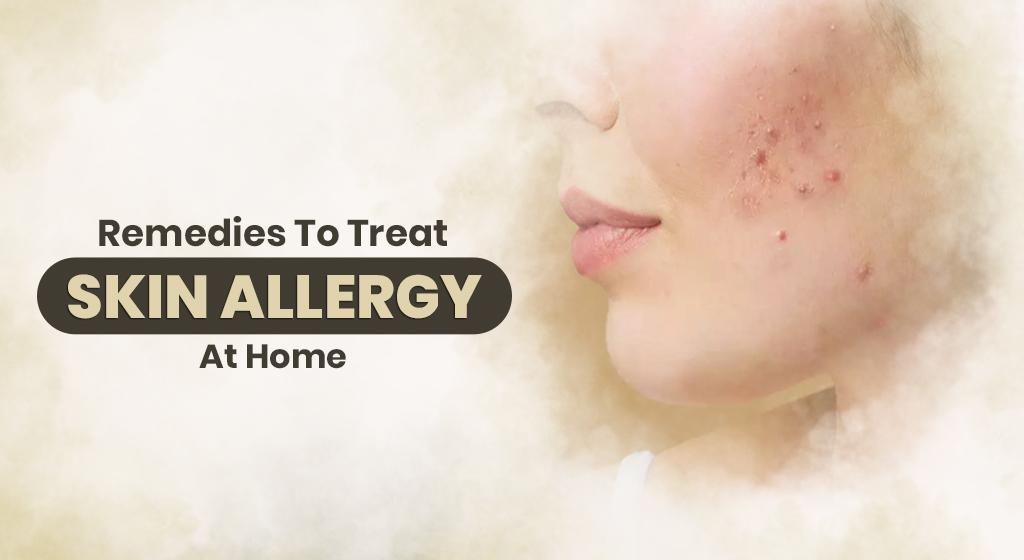
When certain foreign substances that you might be allergic to come into contact with your skin, it leads to the formation of a skin rash. Itchy skin can be really frustrating and painful, right? Let’s remedy skin allergies at home using essential oils, fenugreek seeds, and aloe vera gel.
The National Eczema Association (NEA) states that those who frequently have itchy skin may have trouble falling asleep and may even experience depression or anxiety. Additionally, they could scrape their skin, leading to tiny tears that are prone to infection.
Insect bites, allergies, stress, and skin diseases including eczema and psoriasis are some of the common causes of itchy skin.
Some of the most effective home treatments for itching are described in this article.
Aloe Vera
Aloe vera aids in the treatment of skin allergies. Aloe vera contains anti-inflammatory and cooling effects. On the allergy-affected areas, you can apply aloe vera gel. Aloe vera gel aids in providing comfort for itching brought on by allergies. Aloe vera can therefore be used topically to treat skin allergies. Talk to Dermatologist Near Me to understand the right treatment for skin allergies in one click.
Coconut oil
Helps in softening the skin, reducing dryness, and removing flakiness. Coconut oil helps the skin heal by reducing irritation. Medium-chain fatty acids, vitamin E, and vitamin K are essential components of coconut oil that permeate the skin to moisturise and treat skin issues. It can be used straight up or combined with olive oil in equal amounts. Oil should be applied to the skin gently and left on for at least 30 minutes. If you have sensitive skin, applying coconut oil after a bath keeps your skin soft and problem-free. A study found that using coconut oil helped people with eczema and atopic dermatitis.
Honey
If you don’t already know that honey is an all-round remedy for problems, then sit back and learn how this one ingredient will treat your skin back to health. In numerous cultures all over the world, it has been used as a therapeutic technique to induce quick tissue healing, promote the formation of new skin, and inhibit bacterial growth. A study found that eight out of ten participants who applied honey experienced a significant improvement in the lesions brought on by their allergies.
Honey can be simply applied to the skin two to three times each day. Before rinsing it off with lukewarm water, wait at least 30 minutes. You can also apply a mixture of one-part cinnamon powder and one-part honey. To relieve skin allergies, combine lukewarm water with one tablespoon each of lime juice and honey.
Baking soda
It is believed that baking soda can help treat skin allergies. Make a paste out of the baking soda and water by mixing them together. Apply this paste to the places where the skin allergy is present. Wash it with cold water after five to ten minutes. As well as minimising skin rashes and offering relief from itching, it also works to stop skin inflammation.
Wet cloth therapy
Wet wrap therapy (WWT) involves wrapping irritated skin in gauze or surgical netting that has been soaked in water.
These wraps provide a physical barrier that prevents scratching while rehydrating and soothing the skin. Children may benefit most from this treatment. Additionally, WWT may facilitate the skin's absorption of drugs like topical steroids. Apply drugs to the region with a light hand before putting on the wraps, and then generously cover the area with moisturiser.
The steps listed below are recommended by the NEA for applying wet wraps:
- Warm water should be used to dampen a piece of gauze until it is moist.
- Wrap a piece of gauze across the skin area that itches.
- Cover the damp piece of gauze with a piece of dry gauze.
Cold showers
A cold bath can lessen allergies and skin rashes. A cold shower causes your blood vessels to constrict and prevents histamine from escaping. Additionally, it lessens the severity and skin rashes caused by the allergic reaction.
When to See a Doctor?
If you have any of the following symptoms, you should get in touch with your doctor:
- If treatment for a skin allergy or rash doesn't resolve it in a week,
- If the skin allergy or rash returns after disappearing for a while,
- If the rashes hurt or itch a lot, or if you notice blisters on your skin.
If the rash exhibits signs of infection (redness, swelling, or warmth), you should seek Best Skin Doctor in Jaipur rather than relying solely on home remedies to treat the disease.
Conclusion
It can be a rash if you notice a red region that is accompanied by pain and swelling. An inflammatory response to allergens (substances that induce allergy) is the principal cause of skin rashes. Therefore, you must first determine the cause in order to properly treat it. The rash might not go away right away, even after all of this. You can try natural treatments for skin allergies, including aloe vera gel, oak bark, flaxseeds, and German chamomile. However, you should speak with your Skin Specialist in Jaipur and seek their medical assistance on Health Gennie, an online doctor consultation app where you can find doctors online if the rash worsens and doesn't go away or if you experience the symptoms of infection (redness, swelling, and heat).
See What the Experts Have to Say About Thyroid Disease
Thyroid diseases are affecting people from all age groups. India has a significant number of cases in thyroid disease. These diseases lead to weight gain and hormonal imbalance.
What is Thyroid Gland?
A small organ in the front of the neck that wraps around the windpipe (trachea) that produces thyroid hormone. It has the shape of a butterfly, with two wide bodies which wrap around the side of your throat. Top Endocrinologist in India will brief you properly on thyroid gland. Throughout your body, glands produce and release substances that help your body in performing a specific function. Your thyroid gland produces hormones that aid in the regulation of numerous critical fleshly functions.
When your thyroid is not working duly, it might have an effect on the rest of your body. Hyperthyroidism occurs when your body produces an inordinate quantum of thyroid hormone. Hypothyroidism occurs when your body produces inadequate thyroid hormone.
Thyroid Diseases
Your thyroid gland generates and produces hormones that regulate many different systems in your body. Thyroid illness occurs when your thyroid produces too many or too few of these vital hormones. Talk with Endocrinologist Doctor in Jaipur to treat your thyroid problem at right time. Thyroid disease is classified into numerous kinds, including hyperthyroidism, hypothyroidism, goiter, thyroid cancer and Hashimoto's thyroiditis.
Hyperthyroidism
Under this condition, the thyroid gland is overactive which leads to producing too much of its hormone. The symptoms of this condition are-
- Irritability
- Loss of weight
- Brittle nails and hair
- Eyes bulge out
Hypothyroidism
This condition is the opposite of hyperthyroidism, which means the gland is underactive and does not produce enough of its hormones. The symptoms of this condition are-
- Weakness
- Tiredness
- Weight Gain
- Depression
Goiter
A noncancerous enlargement in your thyroid gland is called goiter. Iodine deficiency in your food diet is the most common cause of goiter worldwide. This can affect people especially in countries where iodine rich foods are scarcely available. The major symptoms of Goiter are:
- Swelling in neck
- Difficulty in swallowing and breathing
- Cough
- Hoarseness in your voice
Thyroid Cancer
It is a type of cancer that develops in the thyroid gland. Thyroid cancer develops when cells begin to proliferate uncontrollably. Best Endocrinologist in Jaipur will help you treat this problem if it occurs during menopause. It affects women three times more than males. Thyroid cancer has no established cause, however various risk factors have been found, including a family history of goitre, radiation exposure, and certain inherited disorders. Common symptoms of thyroid cancer are:
- A lump around the neck
- Trouble while swallowing food
- Swollen lymph nodes
- Throat or neck pain
Hashimoto's thyroiditis
It is the most common cause of hypothyroidism. It can develop at any age, although it is more frequent among women in their forties and fifties. The condition develops when the body's immune system attacks the thyroid gland and gradually kills its ability to generate hormones. The illness can be stable for years, with symptoms comparable to hypothyroidism.
Who Are Affected by This Disease?
You are more likely to acquire a thyroid issue if you:
- Thyroid illness runs in my family.
- Have a medical disease (e.g., pernicious anaemia, Type 1 diabetes, primary adrenal insufficiency, lupus, rheumatoid arthritis, Sjögren's syndrome, or Turner syndrome).
- Take an iodine-rich medicine (amiodarone).
- Woman who are over 60.
- Have received treatment for a thyroid problem or cancer in the past (thyroidectomy or radiation).
How to Prevent Thyroid Disease?
Though you may not be able to prevent thyroid disease, you can reduce its risk by following a healthy lifestyle, and avoid complications with early diagnosis and treatment. Here are a few health tips to protect your thyroid health:
- Be regular with health checkups
- Stop smoking
- Exercise regularly
- Have balanced meals
- Manage stress better
- Take a selenium supplement if needed
Conclusion-
If you or anyone near you is suffering from thyroid disease, ask for medical help immediately. On Health Gennie, Book Doctor Consultation Online to get affordable health care services. Our app offers easy and accessible online medical health care services. Connect with Famous Endocrinologist in India to understand your thyroid disease or any problem that takes place in thyroid gland.
Stay Hydrated With Summer Diet for Healthy Skin This Summer Season

Summer skin problems are unique to the season. The sun's intense rays and UV radiation can cause irritation and redness, deplete elasticity, and even promote premature ageing. Furthermore, the combination of sweat and dead skin cells during the summer months can predispose you to acne. As a result, having a consistent skincare routine during the summer is essential for keeping your face fresh and radiant. Talk with best dermatologist in India to know the best guidelines for this summer.
However, if you focus solely on external skincare products while ignoring your nutrition, you may not achieve the desired results. As a result, it is recommended that you follow a particular skincare eating plan throughout the summer. Incorporating numerous foods for glowing skin into your diet can help you maintain bright and healthy skin throughout the summer.
5 Summer Diet Tips for Hydrated Skin:
1. Munch on Seasonal Fruits
Make the most of the lovely fruits that are available this time of year. Mango, cantaloupe, watermelon, and pineapple are all high in water content and rich in vital nutrients for skin nourishment. Just be careful not to overeat mangoes, as too much of this fruit might cause further outbreaks. Simply limit your mango consumption and watch it nourish your skin.
2. Chaas or Buttermilk
Yoghurt is known to cause kapha, an imbalance that leads to mucus production, particularly at night, according to Ayurvedic practises. However, buttermilk, which is diluted yoghurt seasoned with salt and spices, is a suggested post-meal drink. Chaas, is one of the traditional delicacies consumed by Indians to keep their bodies cool in the summer. It benefits our intestinal health, and the bacteria in it aid digestion. Churn homemade curd with rock salt, cumin powder, mint, and water to make the extremely cooling buttermilk.
3. Sattu
Sattu is a flour made of colourful grains that are high in protein and regarded as a nutritious hustler. Due to vigorous sweating in the heat, you tend to feel tired and exhausted, and ultimately all of your stamina is depleted. Dermatologist near me will tell you more about how to naturally remedy your skin this summer season.
Drinking this high-energy drink can help you maintain a balanced energy level throughout the day. To prepare it at home, soak the barley seeds overnight before adding bomb and sugar. Sattu's moisturising properties also help to restore the skin's natural brightness.
4. Tomatoes
Lycopene and beta-carotene are high in tomatoes. According to a 2012 study published in the American Journal of Clinical Nutrition, a diet high in essential minerals can increase your skin's natural defence against sun damage and improve its appearance. Tomatoes are rich in vitamin C as well. One cup provides about half of the recommended value. Of course, you should still wear sunscreen and prevent excessive sun exposure.
5. Ginger
Ginger helps in acne treatment—washes, gels, lotions, and creams like antibiotics and retinoids—but often has a slew of unfavorable side effects, including dryness and peeling. However, a review of studies published in Dermatologic Therapy in 2018 reveals that zinc is a milder option than other acne treatments.
Have a word with dermatologist in Jaipur to know more about zinc. Zinc is one of the most significant nutrients for acne sufferers' skin health. Zinc regulates the creation of oil as well as the hormones that cause acne. Acne sufferers are frequently zinc-deficient. Pumpkin seeds, ginger, pecans, eggs, and oysters are zinc-rich foods.
Conclusion-
Consumption of these nourished food and including them in your daily diet can improve your skin and hair quality significantly. To glow different this summer and radiate absolute glow inculcate this diet in your daily life. On Health Gennie, you will find dermatologist online consultation to help you with your diet plans for this summer. Take a look at yourself now and record your improvements with guaranteed results. To know more, connect with our skin specialists on our app to help you with all your skin and hair problems in one click.
For More:
Click: Book Appointment With Doctor
Do You Know the Main Purpose of Complete Full Body Check-up?
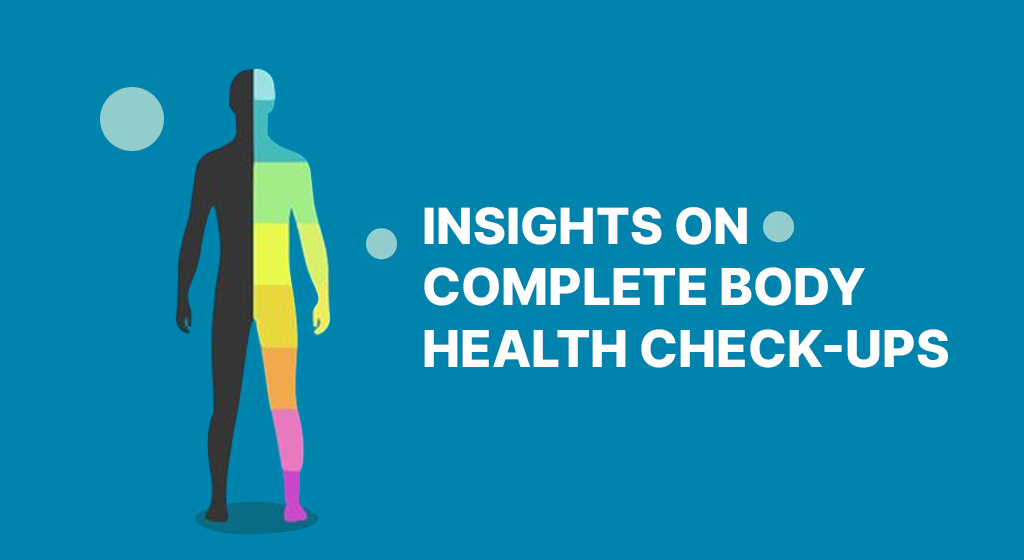
Diagnostic scanning of your entire body i.e., your heart, liver, lung and kidney to evaluate your current health status is a full health check-up or medical scan of your entire body, to analyse your current health state and screen you to find out if you have any obvious warning signals or if there are any abnormalities inside your body.
Take a medical health check-up test to know the right status of your body to lead a healthy life plan. Everyone should have a full body examination at least once a year to learn about their health and whether they have any abnormalities or disorders. It can also alert you to bad habits and push you towards a healthier lifestyle. Here are some important points to remind you on why you should take a health check-up routinely.
Who Can Take Complete Body Health Check-up?
Now, we know what is a complete health checkup. You should not wait for any symptom to show to get a complete body health check-up. People of any age range have a probability of developing lifestyle diseases. Improper lifestyle balance, such as a lack of sleep and intense activity, can also contribute to the development of various health conditions. A full-body check-up can help you spot problems early on and extend your life with simple treatments.
Why is It Crucial to Take a Health Check-up Routinely?
- It is essential that we book a Full Body Health Checkup to identify our level of fitness.
- Everyone above the age of 35 must undergo a full health check up on a regular basis. But in any case, if you are facing any slight sign of an illness should get the full body check-up done to get to the depth of the problem and solve it as early as possible.
- Don’t ignore the small signs like cough, cold and fever as the start can be insignificant of any illness but can lead to hazardous diseases in the future.
- Because of today's fast-paced lifestyle, we all lead very stressful and fast-paced lives. This has resulted in a very high incidence of stress-related health conditions such as heart disease, asthma, diabetes, headaches, depression, and so on. As a result, it is recommended that you have your body tested on a regular basis to avoid the emergence of any ailment.
- Furthermore, due to high levels of pollution and novel methods of food contamination and adulteration, the ordinary human immune system is being tested. A preventive health examination is the best solution in this case.
- Keeping all of these considerations in mind, Health Gennie has created a very affordable yet distinctive Full Health Check Up Packages. These packages not only provide the most comprehensive examination, but they are also affordable and pocket-friendly. This examination is designed to cover all of the most important and relevant tests. One full body exam and you’re done!
What Tests Are Included in Our Comprehensive Health Check-up Packages?
In online full body check-up, we also provide online test reports within 24 hours. You can choose any of our three health check-up packages which suits you and get the test done from the comfort of your home.
1. Full body checkup @599
Includes 71 tests + Unlimited Doctor Consultation
- 71 Lab tests Including (CBC with ESR, LFT, KFT/RFT, LIPID PROFILE, URINE ROUTINE)
- This Plan Includes Unlimited Doctor Tele Consultations for a year
- 24*7 Service Available
- Free Home Sample Collection
- Fast Digital Reports
- Most Affordable Health Plan. Save up to ₹400/- per year
2. Advanced Full body check-up @799
Includes 77 tests + Unlimited Doctor Consultation
- 77 Lab tests Including (CBC, LFT, KFT/RFT, THYROID PROFILE, LIPID PROFILE, HBA1c, URINE ROUTINE EXAMINATION)
- This Plan Includes Unlimited Doctor Tele Consultations for a year
- 24*7 Service Available
- Free Home Sample Collection
- Fast Digital Reports
- Most Affordable Health Plan. Save up to ₹1200/- per year
3. Complete full body check-up @1299
Includes 79 tests + Unlimited Doctor Consultation
- 79 Lab tests Including (CBC, LFT, KFT/RFT, THYROID PROFILE, LIPID PROFILE, HBA1c, URINE ROUTINE EXMINATION, VITAMIN B-12, VITAMIN D)
- This Plan Includes Unlimited Doctor Tele Consultations for a year
- 24*7 Service Available
- Free Home Sample Collection
- Fast Digital Reports
- Most Affordable Health Plan. Save up to ₹1700/- per year
Consider the Advantages of Online Full Body Checkup
- It aids in the detection of problems at an early stage
- Knowing what the problem is at the outset aids in early rehabilitation
- It aids in the great reduction of health and medical costs
- It keeps track of your entire body's wellness
- It improves total life expectancy
Conclusion:
To live a healthy life and make health a pocket-friendly investment from the comfort of your home. Find the best full body checkup online booking on Health Gennie in affordable and easy to access complete full-body health packages. Our health packages cover all medical tests in different prices to help you lead a healthy life. Get routinely health check-ups to ensure good health and fight back any disease that is unknown to us with certified medical help on our app.
Click: Book Diagnostic Tests
Online Doctor Consultation: Best General Physician in Jaipur
What Are the Most Serious Heart Conditions? Know About Human Heart
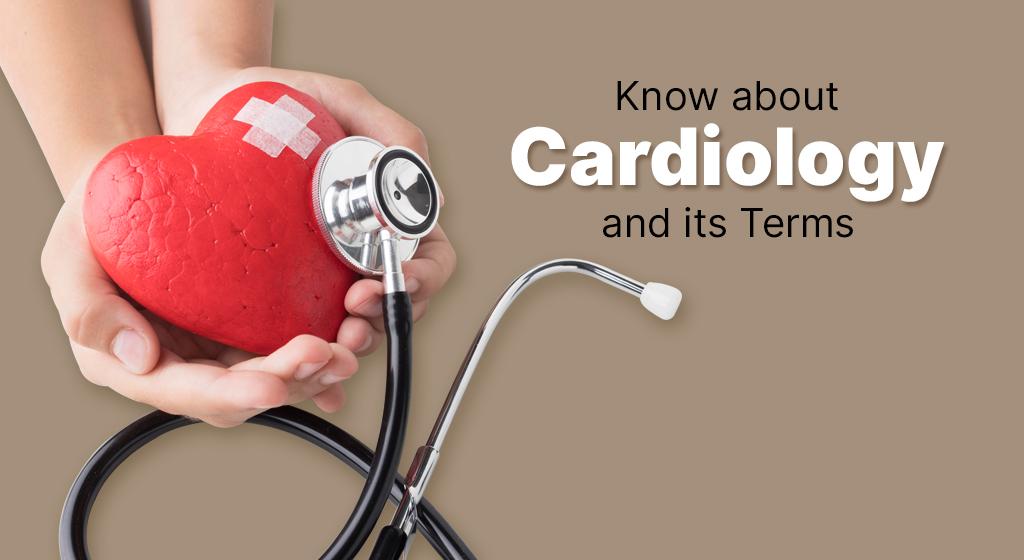
A cardiologist specialises in heart diseases, which are the leading cause of death in the United States. Cardiologists can specialise in even more specific areas of heart care, such as treating heart failure, heart rhythm issues, or congenital (from birth) conditions.
Cardiology is a medical field that deals with heart and cardiovascular system disorders. Medical diagnosis and treatment of natural heart defects, coronary artery disease, heart failure, valvular heart disease, and electrophysiology are all part of the field.
The Best Heart Doctor in Jaipur is here to advise you regarding all heart problems that can be hazardous to one’s health and make your life healthy. Let’s answer some of the frequently asked questions related to cardiology-related diseases.
What is a Heart Attack?
A heart attack is the death of heart muscle tissue caused by a sudden arterial blockage, which is usually the formation of a clot on top of a pre-existing cholesterol build-up known as a plaque. The most common symptoms are a pain in the chest, arms, and neck. Seek a Heart Specialist in Jaipur for the answer to your heart-related problems. Modern technology allows for the reopening of blocked arteries to preserve heart muscle and make the heart function. As a result, it is critical to seek medical attention as soon as chest pain and other symptoms appear.
What Does Stress Testing Means?
Stress testing is a way of examining your heart for the chances of coronary artery blockage. Under continuous electrocardiographic monitoring, the test involves a progressive increase in workload. The test is performed to a predetermined level primarily based on heart rate. Stress testing is frequently combined with echocardiography or nuclear scanning of the heart muscle. These methods improve our ability to make an accurate and appropriate diagnosis. The best Cardiologist in SMS Hospital Jaipur has the expert answer to your questions related to stress testing. The test is usually performed on patients who have symptoms or a strong suspicion of coronary artery disease, such as those who have multiple risk factors.
What All You Should Know About Cholesterol?
Cholesterol is a fatty substance in the blood that deposits in the arteries, causing progressive obstruction to many organs, most notably the heart. Cholesterol is made up of two parts: HDL (good) and LDL (bad) (bad). The total number and relationship of these components determine their proclivity to the formation of plaques within the arteries leading to your heart. Triglycerides are another type of fat found in your body, and their elevation can lead to the formation of the most dangerous type of cholesterol and fat particles. A lipid profile allows us to thoroughly examine all of these components.
What is a Stroke?
Cardiologist Online Consultation is your best guide with medical advice on heart diseases. A stroke is the death of brain tissue caused by either bleeding into the brain or a disruption in blood flow to a specific area of the brain. The most common cause of adult stroke is a disruption in blood flow. This can occur at the site of the stroke within the brain due to vascular disease, or it can happen because of the passing or embolization of particulate matter from arteries in the neck, the large aorta within the chest, or the heart itself. This matter could be clotted blood or cholesterol fragments. Stroke is the most common complication of long-term, poorly controlled hypertension.
Is Open Heart Surgery Still Conducted by Doctors?
Despite advancements in the use of balloon angioplasty and stents in the coronary arteries, there still remain situations where direct bypass or myocardial revascularization is required. This type of surgery frequently combines the use of mammary arteries from inside the chest with veins connected from the legs or arms. This type of surgery is used in patients whose disease involves many vessels and where angioplasty and stenting have not been successful in the past. Finally, open heart surgery is commonly used in many types of valve disease.
What Does an Arrhythmia Mean?
Arrhythmia is defined as any abnormality in the heartbeat, including those that are too slow, too fast, or irregular. Palpitations, or an awareness of the heartbeat, are the most common symptom of arrhythmia. Actual passing out is a more serious symptom (syncope). A monitoring device is usually used to evaluate an arrhythmia. It is also critical to determine whether or not the heart is structurally normal. The severity of the symptoms and the condition of the heart structures determine how arrhythmias are managed. Pacemakers and defibrillators are among the most advanced treatments available, but medical therapy is frequently sufficient.
What is the Difference Between an Electrophysiologist and Cardiologist?
Cardiologists are internists who have received special training in the diagnosis and treatment of heart and blood vessel diseases. Heart diseases can affect any aspect of the heart's structure, including the electrical system. Electrophysiologists are cardiology subspecialists who focus almost entirely on electrical heart abnormalities. This includes diagnosing and treating arrhythmias, as well as implanting pacemakers and sophisticated defibrillator devices. Medical therapy is frequently an important component of treatment. Electrophysiologists can also manipulate the electrical system through a process known as ablation to permanently correct certain types of fast heartbeat abnormalities in the heart.
Conclusion:
Seek medical help if you experience any of the symptoms mentioned below consult a doctor immediately:
- Difficulty in breathing
- Pain in chest area
- Dizziness or fainting
If heart disease is detected early, it is simple to treat. If you have any concerns about your heart health, consult with the Best Cardiologist in Rajasthan. You and your provider can talk about ways to lower your risk of heart disease. This is especially critical if you have a family history of heart disease. If you notice any signs of heart disease that could be harmful to your health, make an appointment with your doctor.
For More Info:
Visit Us: Online Doctor Consultation App
Visit Us: Free Doctor Consultation
Visit Us: Book Diagnostic Tests
General Physician to Cure Away All Your General Conditions
What is a General Physician?
Do you get sick often during weather changes? We consult doctors that specialise in all types of general diseases. A physician (GP) is a medical doctor who specialises in non-surgical adult healthcare. A general physician treats many illnesses that impact the body but do not necessarily require surgery.
In contrast to specialists, who specialise in only one body part or a single system ailment, general physicians treat all types of general adult diseases. While you may believe that the best general physician in Jaipur is more highly regarded in the medical field, this is not the case.
A general physician is crucial because he is the first professional we consult when we experience discomfort or pain in our bodies.
We only go to a specialist after he examines us and determines that we require one. Furthermore, whereas a specialist is well-versed in a specific organ or system, a general physician is well-versed in all body parts. In comparison to specialists, general physicians undergo a more intense training programme as part of their education. Furthermore, their ability to think logically instead of using only a few directions distinguishes them in the field of medical science.
Their expertise in their field is broad, and they provide multiple solutions to even the most complex problems that patients may face. However, one area where they lag is surgery. General practitioners are well-equipped to diagnose and treat non-surgical diseases or illnesses, and when surgery is required, he refers the patient to a specialist. The roles listed below define a general physician's scope of work. A top physician in Jaipur can treat a variety of ailments, including the common cold, cough, tonsils, fever, asthma, chronic obstructive pulmonary disease, pneumonia, and lung fibrosis. Their broad range of knowledge allows them to diagnose these and many other ailments. Overall, a general physician is a multi-tasker who can diagnose and assess a wide range of ailments.
Qualification of a General Physician
A General Physician has an MBBS and a Post-Graduation (MD) degree in general medicine or in a specific field of medicine such as cardiology, urology, endocrinology, and so on.
What a General Physician Covers in His Practise?
A general physician is the first person in the medical field that a patient contacts for help. They are often known as family doctors.
- Diagnose illnesses and injuries
- Perform routine examinations
- Recommend medical exams for further diagnosis
- Examine a condition of the patient and medical history
- Medication and treatment should be prescribed.
- Help with routine surgery
- Patients should be counselled on their well-being and proper self-care.
- Maintain patient records to ensure the best possible preventive care.
Is a General Physician a Surgeon?
There are significant differences between general physicians and surgeons that must be recognised. To begin, general practitioners provide treatments that encourage the body to heal itself. Surgeons, on the other hand, use surgery to treat medical conditions. Although general surgeons can operate on any body part, some specialise in particular areas.
Second, general practitioners develop long-term relationships with patients and offer consultation on general health and wellness. Surgeons serve by addressing the problem through surgery, and it is uncommon for surgeons to perform the duties of a general physician.
What Does a General Physician Do When During Visit?
The general physician doctor will review your medical history during a home visit. You'll be asked questions based on your illness and the symptoms you're experiencing. In some cases, the doctor may also inquire about the medical history of your family.
Following that, the doctor will examine and monitor your symptoms. Based on these, they may recommend medical tests to confirm the diagnosis and evaluate treatment options.
For their healthcare needs, many families turn to single-family physician doctors. Because they have prior knowledge of your family's health, family physicians can be invaluable in treating conditions that may arise over time.
Conclusion
Understanding the role of the general physician doctor in your life is crucial because, when faced with an illness, the physician is likely to be the first person you will consult. To ensure you find the best one, use the Health Gennie app to find the best general physician for you.
This digital arrangement is packed with features and benefits that make healthcare simple, easy, and convenient. It has smart search functionality that allows you to find the top general physician in Jaipur in your area and book appointments at their clinic online. As a result, you avoid having to travel to the doctor's office.
For More Info:
Visit Us: Best Cardiologists in Jaipur
Visit Us: Top Gynecologist in Jaipur
Visit Us: Pediatrician Near Me
Mobile App Download: healthgennie.com/download
© Copyright 2023 Health Gennie®. All rights reserved.